
Home Remedy for Knee Pain: 7 Simple Ways to Find Relief
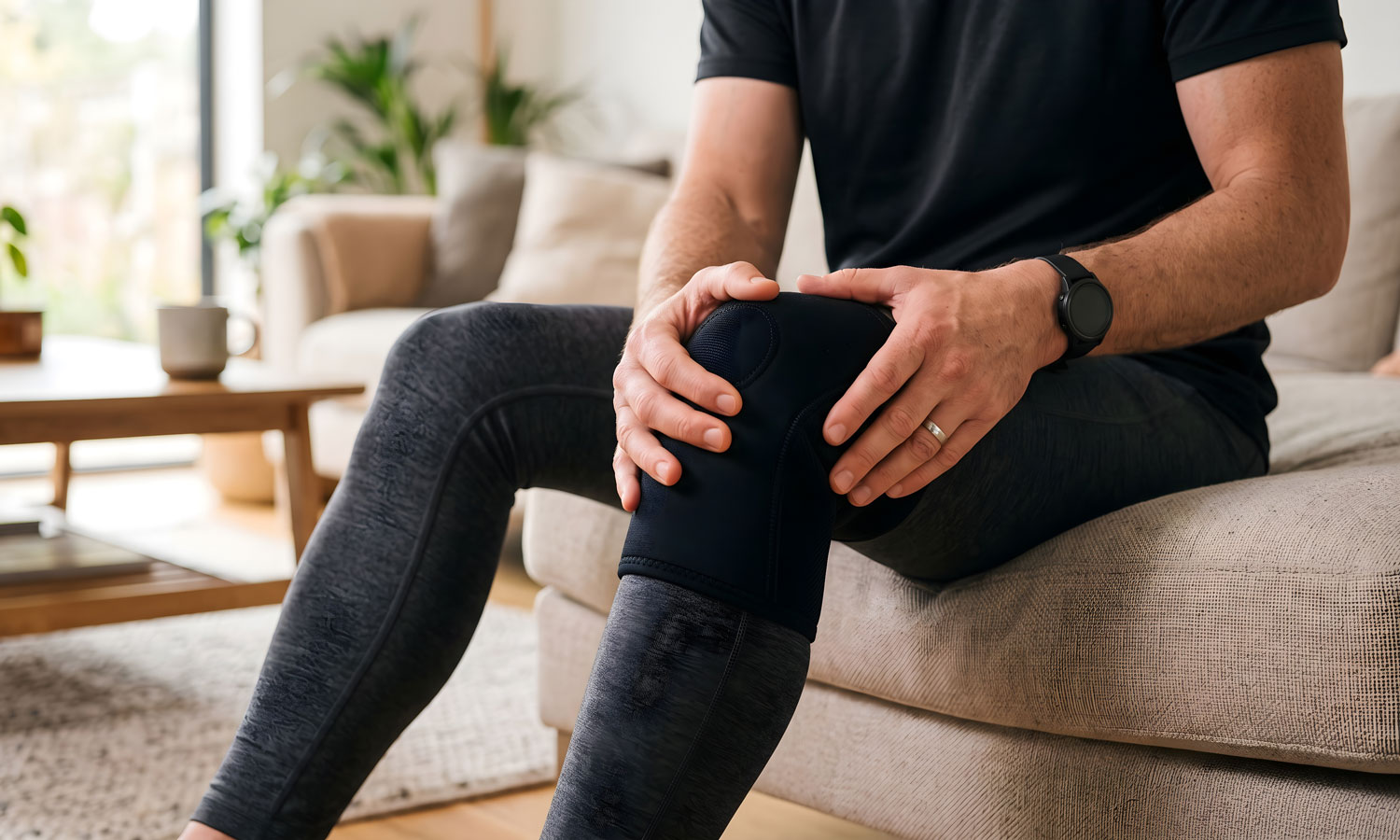
A home remedy for knee pain can be a good first step when discomfort is mild and related to overuse, stiffness, or a minor strain. Simple changes such as reducing painful activities, using ice or heat, and keeping your knee moving may help.
The right approach depends on why your knee hurts. In this article, Whole Body Wellness in Riverside shares seven practical ways to manage mild knee pain at home, along with signs that it may be time to have your knee evaluated.
7 Home Remedies for Knee Pain Relief
For mild knee discomfort without signs of a serious injury, these simple strategies can help reduce symptoms, protect your joint, and keep you moving comfortably.
1. Reduce activities that make your knee hurt
You do not always need complete rest. Staying inactive for too long can actually contribute to joint stiffness. Instead, temporarily cut back on high-impact activities that clearly increase your pain, such as running, jumping, deep squats, or heavy stair climbing. As your knee begins to feel better, gradually return to your normal routine.
How it helps: Reduces stress on the knee joint and prevents further irritation or micro-injuries.
2. Use ice for recent pain or swelling
Cold therapy is highly effective when knee pain develops suddenly after an activity or comes with mild swelling. Wrap an ice pack or a bag of frozen vegetables in a thin towel and place it on your knee for 15 to 20 minutes at a time. Avoid putting ice directly against your skin to prevent frostbite.
How it helps: Numbs acute pain, constricts blood vessels, and limits inflammation and swelling.
3. Try heat for stiffness
If your knee feels stiff, achy, or suffers from chronic discomfort without any new swelling, gentle heat is your best option. You can try a warm shower, a heating pad, or a warm compress before moving or exercising. Avoid excessive temperatures and never fall asleep with a heating pad on.
How it helps: Relaxes tense muscles and tissues around the knee while improving blood circulation to promote healing.
4. Keep your knee moving gently
Unless a severe injury requires you to completely immobilize the leg, gentle activity prevents the joint from locking up. Try slowly bending and straightening your knee while seated, or take short walks at a comfortable pace. Stay within a range of motion that feels manageable.
How it helps: Maintains joint lubrication, stimulates synovial fluid flow, and reduces overall stiffness.
5. Strengthen the muscles that support your knee
The muscles around your thigh (quadriceps) and hips act as natural shock absorbers for your knees. Once significant pain and swelling have settled, gradual strengthening is essential. Two safe options include:
- Straight leg raises: Lie on your back, keep one leg straight, tighten the thigh muscle, and gently raise the leg a few inches.
- Seated knee extensions: Sit in a stable chair and slowly straighten one leg out in front of you as far as comfortable before lowering it.
How it helps: Increases muscle strength around the knee, which directly reduces the daily load and pressure placed on the joint.
6. Try compression and elevation for mild swelling
If your knee looks or feels mildly swollen, an elastic compression wrap (like an ACE bandage) can provide stable support. Ensure it feels snug but not tight enough to cause numbness or tingling. When resting, elevate your leg on pillows so that your knee sits comfortably above the level of your heart.
How it helps: Prevents fluid retention, reduces swelling, and provides light mechanical stability to the joint.
7. Change everyday habits that put stress on your knees
Knee discomfort often develops gradually over time due to repetitive wear and tear rather than a single injury. Making small tweaks to your routine can make a big difference. Try to avoid sitting or standing in one position for prolonged periods, choose supportive footwear appropriate for your daily activities, and give yourself built-in breaks during repetitive tasks.
How it helps: Minimizes unnecessary irritation and allows your body to gradually adapt to daily physical loads.
What can cause knee pain?
Knee pain can come from the joint or the muscles, tendons, ligaments, and other tissues around it. Common causes include:
- Doing more walking, running, or exercise than usual
- Minor strains and overuse
- Sports injuries
- Osteoarthritis and other joint changes
- Repetitive movements that irritate the knee
Pain after a busy day may simply reflect temporary irritation. Pain after a fall or sudden injury, especially with swelling or difficulty walking, needs more caution.
When to consider chiropractic care for knee pain
Home remedies may be enough for mild knee pain, but ongoing or recurring symptoms may need a closer look. Consider a chiropractic evaluation if:
- Pain keeps returning: Knee pain that improves temporarily but comes back with walking, exercise, or daily activities may need further evaluation.
- Stiffness affects your movement: Difficulty moving the knee comfortably can make walking, using stairs, or exercising harder.
- Pain seems related to movement: How your knee, hip, and ankle move together can affect how stress is distributed through the leg.
- Home care is not helping: If activity changes, ice, heat, and gentle exercise are not improving your symptoms, it may be time to look for contributing factors.
At Whole Body Wellness in Riverside, we evaluate knee movement and surrounding areas to understand what may be contributing to your discomfort. When appropriate, conservative chiropractic care may be included in a plan based on your individual findings.
Knee pain that starts during exercise or athletic activity may also be related to a sports injury rather than temporary soreness. Significant trauma, suspected fracture, infection, or other concerning symptoms should receive appropriate medical evaluation first.
Frequently asked questions about home remedies for knee pain
What is the best home remedy for knee pain?
There is no single remedy that works for every cause. Mild soreness may improve with activity modification, ice, and gentle movement. Heat may be more useful when stiffness is the main problem and there is no new swelling.
Is heat or ice better for knee pain?
Ice is generally more useful for recent irritation or swelling. Heat may feel better for stiffness or ongoing aching without new swelling. Avoid extreme temperatures and protect your skin when using either method.
How long should I try home remedies for knee pain?
Mild knee pain should show signs of improvement rather than becoming progressively worse. If symptoms persist, repeatedly return, or begin limiting normal activities, consider getting the knee evaluated.
When should I see a chiropractor for knee pain?
A chiropractic evaluation may be considered for ongoing or recurring musculoskeletal knee pain. Severe pain after trauma, significant swelling, deformity, fever, or inability to bear weight should receive appropriate medical evaluation first.
Finding the right next step for knee pain
Knee pain does not always require complicated treatment. For mild discomfort, simple steps such as adjusting your activities, using ice or heat appropriately, staying gently active, and building strength can be a good place to start.
Pay attention to how your knee responds over time rather than simply pushing through the pain. If you have questions about persistent knee discomfort or whether chiropractic care may be appropriate, contact us to discuss your next step.

Whole Body Wellness – Riverside Chiropractor
Share this blog:
$49 New Patient Special…
$49 New Patient Special…
1st Visit:
- Initial Consultation
- Chiropractic & Orthopedic Exam
- Digital Nerve, Muscle, & Heart Rate Scans
- Digital Posture Assessment
- Digital X-Rays (if necessary)
2nd Visit:
- Report of Findings with the Doctor
Offer available for new patients only. Website special must be mentioned at time of appointment. Adjustment not included.
or Call
$27 Chiro Exam
Please fill out the form below to schedule an appointment. X-Rays not included.