
Sciatica During Pregnancy: Causes, Symptoms and Relief
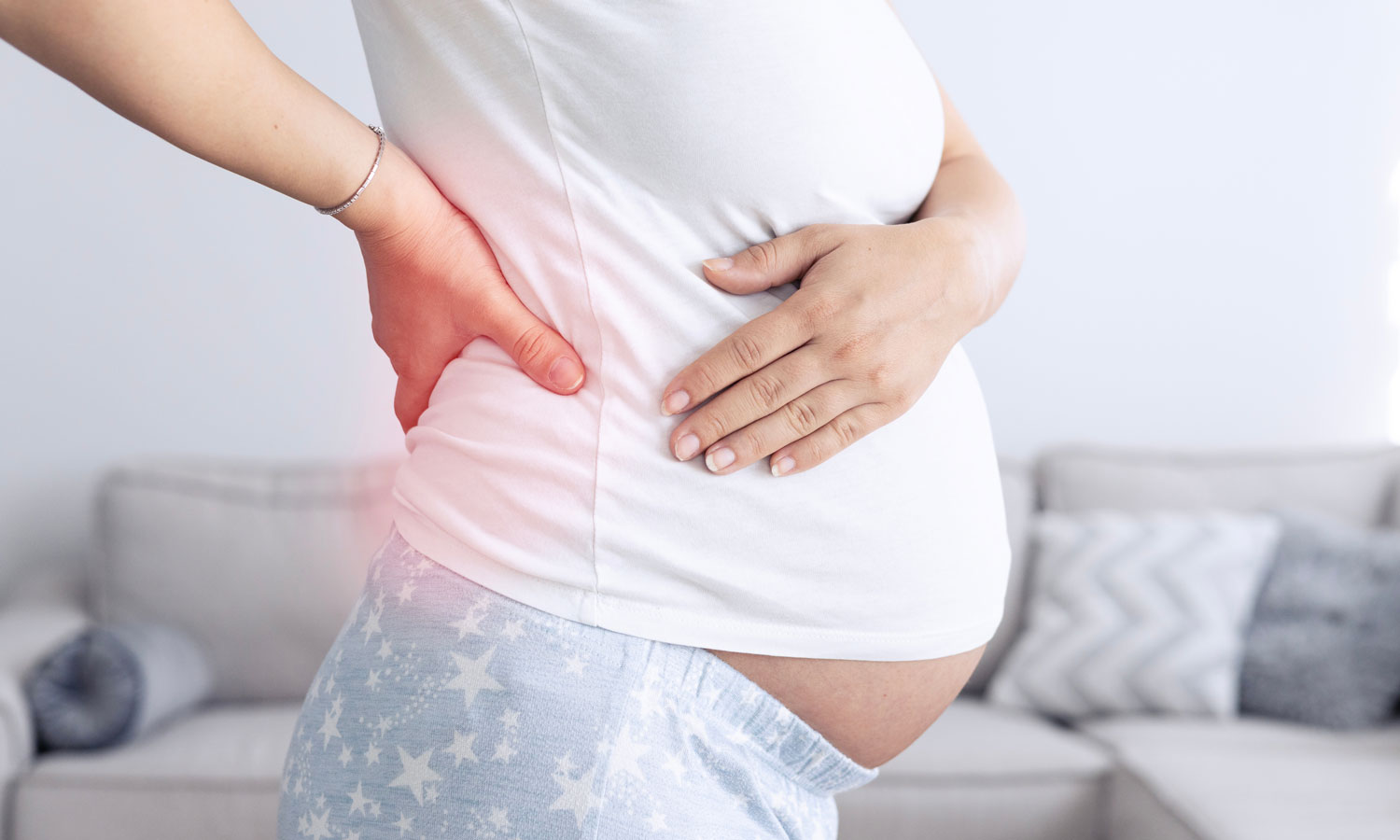
Sciatica during pregnancy can cause sharp pain in your lower back, buttocks, or legs. The pain may make walking, sitting, or sleeping uncomfortable. However, not all back or leg pain during pregnancy is caused by sciatica.
At Whole Body Wellness Chiropractic, we understand how physical changes during pregnancy can affect your comfort and movement. Knowing what may be causing your pain can help you explore appropriate ways to manage it.
What is sciatica during pregnancy?
Sciatica is pain caused by irritation or pressure affecting the sciatic nerve or the nerve roots that form it. The sciatic nerve runs from your lower back through your buttocks and down each leg.
During pregnancy, sciatica may cause pain that travels from your lower back or buttock into one leg. Some people also experience tingling, numbness, or weakness.
Although back and pelvic pain are common during pregnancy, true sciatica is less common. Identifying the source of your symptoms is important because different conditions may require different approaches to care.
Common symptoms of sciatica during pregnancy
Sciatica symptoms can range from mild discomfort to pain that interferes with daily activities. Common signs include:
- Lower back or buttock pain: Pain that often affects one side of your body.
- Pain traveling down the leg: Discomfort that may extend through your thigh, calf, or foot.
- Tingling or numbness: A pins and needles sensation along the affected leg.
- Sharp or burning pain: Pain that feels like an electric shock or sudden shooting sensation.
- Pain with certain movements: Symptoms that may worsen when sitting, bending, or changing positions.
Sciatica usually affects one side, although symptoms can sometimes involve both legs. These signs can suggest nerve irritation, but a proper evaluation is needed to determine the cause.
What causes sciatica during pregnancy?
Pregnancy changes your posture, weight, and joints, which can contribute to back and pelvic discomfort. However, true sciatica occurs when nerves in your lower back become irritated or compressed.
Changes in posture and body weight
As your belly grows, your center of gravity shifts, placing more strain on your lower back. These changes can cause discomfort but do not always lead to sciatica.
Hormonal changes and pelvic discomfort
The hormone relaxin makes certain ligaments more flexible during pregnancy. This can contribute to pelvic discomfort, although it does not directly cause sciatic nerve compression.
Existing lower back and nerve problems
Conditions such as a herniated disc can irritate spinal nerves and cause sciatica. Tight muscles around the buttocks, including the piriformis, may also cause similar symptoms.
Sciatica vs. pelvic girdle pain during pregnancy
Sciatica and pelvic girdle pain can feel similar, but they involve different structures. Understanding their typical symptoms may help you describe your discomfort more clearly.
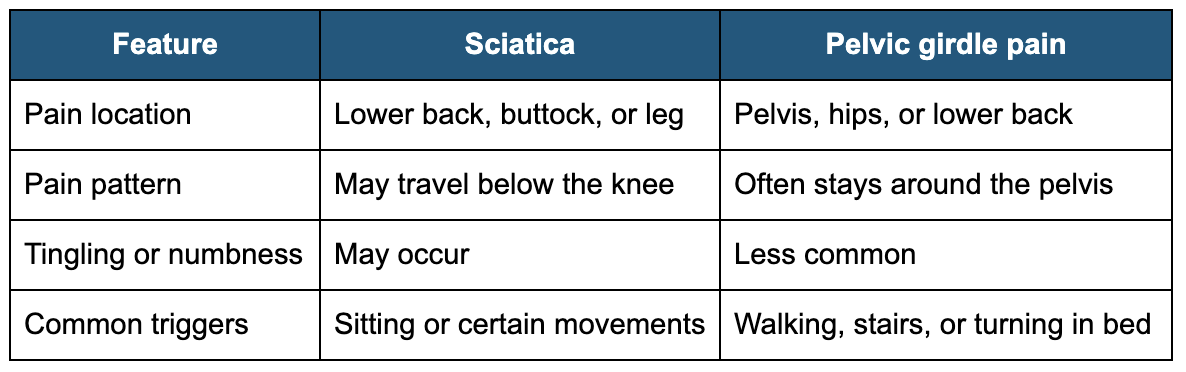
These symptoms can overlap, so the table cannot confirm a diagnosis.
If your discomfort is centered around your hips or pelvis, understanding pelvic pain during pregnancy may help you recognize other possible causes.
How to relieve sciatica during pregnancy
Managing sciatica during pregnancy involves avoiding activities that worsen your pain while staying gently active. These approaches may help relieve discomfort.
1. Find a comfortable sleeping position
Sleep on your side with a pillow between your knees to support your hips and lower back. You can also place a pillow beneath your belly or behind your back. The best sleeping position during pregnancy depends on your comfort and symptoms.
2. Try gentle movement and stretching
Gentle activities may reduce stiffness and improve mobility. Consider:
- Short walks.
- Gentle prenatal stretching.
- Swimming or water exercises.
- Pregnancy appropriate strengthening exercises.
Stop any movement that increases pain, tingling, or weakness. Check with your prenatal healthcare provider before starting new exercises.
3. Use heat or cold for temporary relief
Apply a warm compress to relax tight muscles or a cold pack to ease discomfort. Keep a towel between the pack and your skin, avoid excessive heat, and never apply heat directly to your belly.
4. Consider a maternity support belt
A maternity support belt may help support your lower back and pelvis during daily activities. However, it does not treat sciatic nerve compression. Ask your healthcare provider whether it is suitable for you.
Treatment options for sciatica during pregnancy
If home care does not improve your symptoms, professional evaluation can help determine the cause and appropriate treatment.
Physical therapy and guided exercises
Physical therapy may help improve movement, strengthen supporting muscles, and reduce discomfort.
A physical therapist familiar with prenatal care can recommend exercises based on your symptoms and stage of pregnancy.
Prenatal chiropractic care
Prenatal chiropractic care focuses on evaluating spinal movement, posture, and musculoskeletal discomfort during pregnancy.
At Whole Body Wellness Chiropractic, we consider your symptoms, health history, and pregnancy related needs before discussing appropriate care options.
Chiropractic care may help some people manage musculoskeletal discomfort, but evidence specifically supporting chiropractic treatment for pregnancy related sciatica remains limited. It should not replace medical evaluation or prenatal care.
Medical evaluation and pain management
Your obstetric healthcare provider may recommend additional evaluation if pain is persistent, severe, or accompanied by neurological symptoms.
Treatment depends on the underlying cause. Always consult your healthcare provider before taking pain medication during pregnancy.
When to seek medical care for pregnancy sciatica
Mild discomfort may improve with rest and gentle movement, but certain symptoms require medical attention.
- Severe or worsening pain: Contact your prenatal healthcare provider if pain becomes intense, persists, or continues to worsen.
- Increasing leg weakness: Seek urgent evaluation if your leg becomes noticeably weaker or walking becomes difficult.
- Loss of bladder or bowel control: Seek emergency medical care immediately.
- Numbness around the groin: New numbness around your inner thighs or genital area requires emergency evaluation.
- Fever, vaginal bleeding, or contractions: Contact your obstetric provider immediately, as these symptoms may indicate a pregnancy complication.
Severe or persistent back pain during pregnancy should be evaluated by a healthcare professional to identify the cause and determine appropriate care.
Managing pregnancy discomfort with Whole Body Wellness Chiropractic
Pregnancy can bring new challenges for your back, hips, and pelvis. Understanding the source of your discomfort is an important step toward finding appropriate care.
At Whole Body Wellness Chiropractic in Riverside, CA, we offer chiropractic care tailored to your individual needs. Our approach considers your posture, movement, symptoms, and stage of pregnancy before recommending care.
If you are experiencing persistent back or pelvic discomfort during pregnancy, contact us to discuss whether our services may be appropriate alongside your regular prenatal care.
Frequently asked questions about sciatica during pregnancy
When does sciatica start during pregnancy?
Sciatica can develop at any stage of pregnancy. Back and pelvic discomfort often become more noticeable later as your body weight and posture change.
Can sciatica during pregnancy affect the baby?
Sciatica itself usually does not directly harm your baby. However, severe pain or symptoms accompanied by bleeding, contractions, or fever require medical evaluation.
What is the best sleeping position for pregnancy sciatica?
Sleeping on your side with a pillow between your knees may reduce strain on your back and hips. Choose the side that feels most comfortable.
Can chiropractic care help with pregnancy sciatica?
Chiropractic care may help manage some pregnancy related back and pelvic discomfort. However, evidence for treating sciatica specifically is limited, and care should be individualized.
Does sciatica during pregnancy go away after delivery?
Some women experience improvement after childbirth as pregnancy related physical changes resolve. However, symptoms may continue if an underlying nerve or spinal problem remains.

Whole Body Wellness – Riverside Chiropractor
Share this blog:
$49 New Patient Special…
$49 New Patient Special…
1st Visit:
- Initial Consultation
- Chiropractic & Orthopedic Exam
- Digital Nerve, Muscle, & Heart Rate Scans
- Digital Posture Assessment
- Digital X-Rays (if necessary)
2nd Visit:
- Report of Findings with the Doctor
Offer available for new patients only. Website special must be mentioned at time of appointment. Adjustment not included.
or Call
$27 Chiro Exam
Please fill out the form below to schedule an appointment. X-Rays not included.